Microplastic Detox Guide
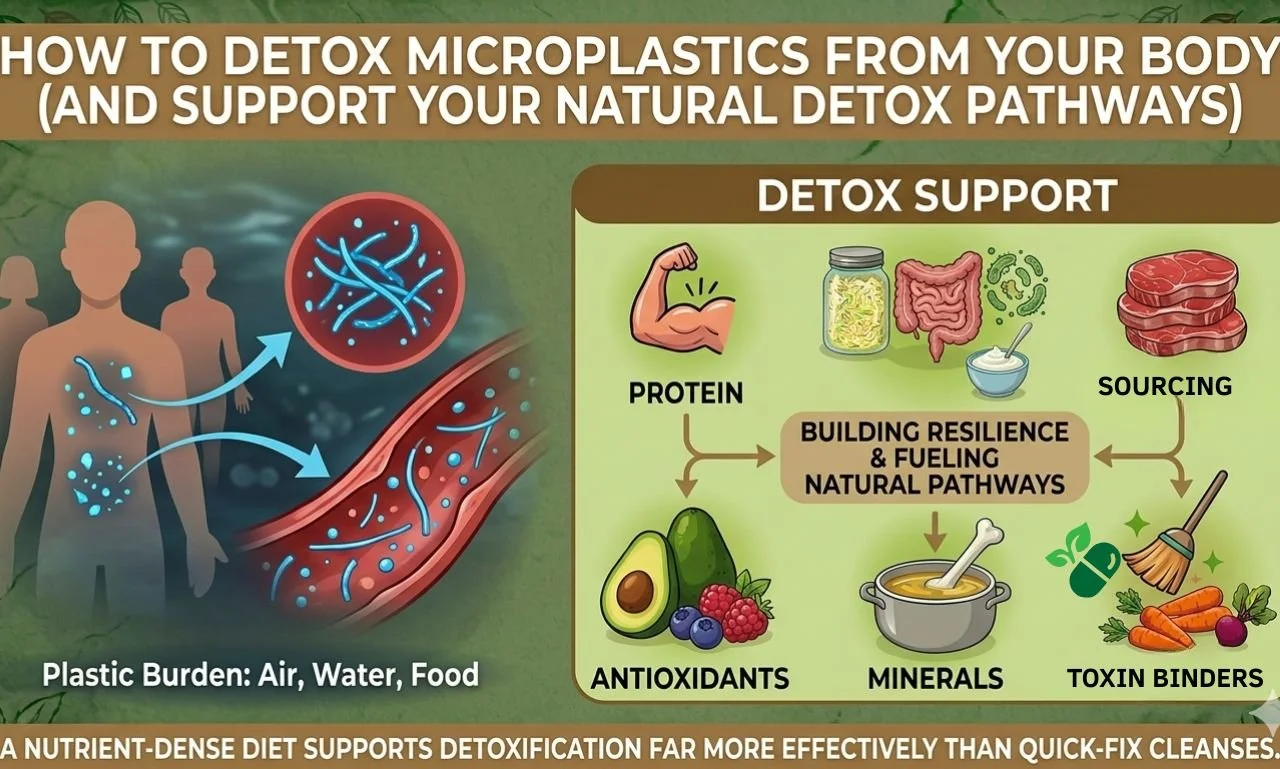
How to Detox Microplastics (The Truth About “Detox”)
Let’s start with something important:
Most things marketed as “detox” are misleading.
You can’t simply drink a juice, take a random supplement, or do a three-day cleanse and suddenly detox your body. That’s not how human physiology works.
Your body already has detoxification systems built in.
Your liver, kidneys, lungs, digestive system, and skin are constantly working to process and eliminate toxins. Detoxification isn’t a one-time event—it’s a continuous biological process.
What people usually mean when they say “detox” is actually supporting those natural detox pathways so they can function properly.
When your body is nourished, supported, and not overloaded with toxins, it becomes resilient and capable of doing what it was designed to do.
But modern life presents a new challenge: microplastics.
The Microplastic Problem
We now live in what could be described as a plastic ecosystem.
Tiny plastic particles (called microplastics) are now found in:
the air we breathe
the water we drink
the food we eat
household dust
Researchers have already detected microplastics in human blood, lungs, sperm, and even breast milk.
Plastics and the chemicals associated with them can act as endocrine disruptors, interfering with hormones, metabolism, fertility, and cellular health.
Over time, this toxic burden may contribute to issues such as:
hormonal imbalance
skin issues
metabolic dysfunction
fertility problems
inflammation and oxidative stress
Completely avoiding microplastics is almost impossible today.
Even after making the most powerful lifestyle changes, microplastics are largely unavoidable on a global scale. They’re extremely difficult to avoid, and the body doesn’t easily recognize them for detoxification.
This is why they’re often referred to as “forever chemicals”. They can remain in the body for a long time.
Because of this, we not only need to minimize exposure, but also focus on additional targeted strategies beyond avoidance, healthy living, and building a resilient body.
I’ll share more about this in Step 5, along with additional resources and tools at the end.
Step 1: Remove the Biggest Plastic Culprits
The first step is reducing the largest and most frequent sources of exposure. These are items you use every day that come into contact with food, drink, or cooking surfaces. Simple changes here can make a significant difference.
Start by eliminating or reducing:
Plastic water bottles
Single-use plastics (bags, straws, utensils)
Plastic cutting boards
Plastic food storage containers
Non-stick or Teflon-coated cookware
Disposable coffee cups or to-go containers
Plastic or Teflon-coated cooking utensils
Plastic food packaging (processed or pre-packaged foods)
Plastic wrap and sandwich bags
Safer alternatives include:
Glass containers for food and drinks
Stainless steel water bottles and cookware
Cast iron pans
Ceramic mugs or travel mugs
Wooden or silicone kitchen tools
Cloth bags and reusable utensils
Even a few of these swaps can significantly reduce your daily plastic exposure.
Why it matters: Every plastic item we use contributes to a cycle of microplastics that eventually ends up in food, water, air, and dust. Being intentional with the materials we use daily is the first step in breaking that cycle and reducing overall exposure.
Step 2: Filter Your Water and Air
Microplastics are now frequently found in tap water and indoor air.
To reduce exposure, consider:
installing a high-quality water filter
adding a shower filter (code: animalbb)
using a HEPA air purifier (code: ANIMALBB)
Indoor air can often contain higher pollutant levels than outdoor air, so air filtration can be surprisingly impactful.
Step 3: Support Detox Through Sweat
Sweating is one of the body’s natural detox routes. Regular sweating can support circulation and toxin elimination.
You can encourage this through:
exercise
sauna sessions
hot mineral baths
Movement and heat exposure support overall detox resilience while improving metabolic health.
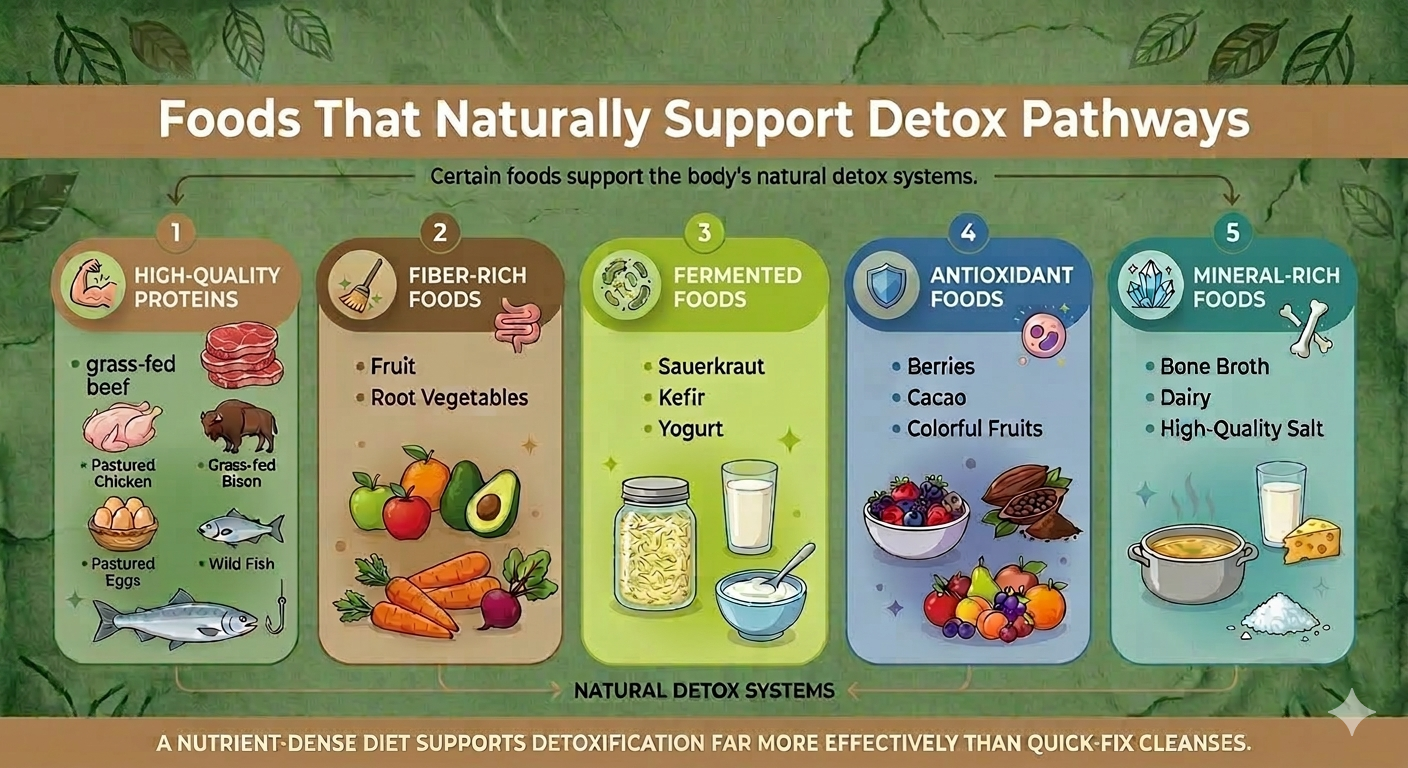
Step 4: Support Detox Pathways With Food
Your liver and gut play a central role in detoxification. Nutrition directly affects how efficiently your body processes toxins.
Key nutritional strategies include:
adequate protein intake
antioxidant-rich foods
foods that bind for toxin elimination
fermented foods for gut health
A healthy microbiome is especially important because gut bacteria help process and eliminate certain toxins.
Want the full, step-by-step Animal Based Eating guide? Check out my comprehensive Animal-Based Guide for everything you need to support your body naturally and effectively.
Step 5: Targeted Detox Support
Because environmental toxins are now so widespread, some people choose to support detox pathways with targeted supplements.
One supplement designed specifically for this purpose is PLASDETOX(code: BAE), which was developed to support the body’s natural detox systems and help defend against modern environmental toxins such as microplastics, BPA, and polystyrene.
PLASDETOX supports detox pathways while providing antioxidant and microbiome support.
Key Benefits:
Targets environmental toxins with a formula designed for microplastic detox support
Promotes healthy liver function and phase-2 detoxification
Provides antioxidant protection against oxidative stress caused by pollutants
Helps reduce the burden of endocrine disruptors like BPA and polystyrene
Features clinically studied ingredients including chlorella, calcium D-glucarate, lycopene, and probiotics
Combined with lifestyle habits that reduce exposure, targeted detox support can help strengthen the body’s resilience to modern environmental toxins.
10 Hidden Sources of Microplastics in Your Home
Most people assume plastic exposure only comes from water bottles or food containers, but microplastics are everywhere in modern living. Some common—but often overlooked—sources include:
Synthetic clothing (polyester, nylon, acrylic) that sheds fibers during washing
Shoes worn indoors that track in microplastics from streets, playgrounds, or gyms
Beauty and personal care products ingredients contain microplastics, stored in plastic packaging or containing plastic ingredients
Cleaning products and detergents ingredients contain microplastics, and those that come in plastic containers or leave residues
Appliances with plastic components, like air fryers, coffee machines, and blenders, where heat and friction can slowly release tiny particles
Dishwashers and washing machines, where hot water and mechanical motion can break down the plastic shelf and the items being washed
Synthetic kitchen sponges and microfiber cloths that release plastic fibers during use
Tea bags sealed with plastic fibers that release particles when steeped in hot water
Processed or heavily packaged foods, which pass through many stages of plastic contact during manufacturing and distribution
Plastic water pipes that can release microplastics into drinking water
A key point: the modern food supply chain is a major source of microplastic exposure. Foods that travel through multiple packaging and distribution steps often pick up far more plastic than items sourced directly from small farmers, local stores or small producers.
Becoming aware of these hidden sources helps you make small but impactful changes to reduce your overall plastic burden.
Resources & Tools for Reducing Microplastics in Your Home
To help you take action and make intentional choices, here’s a curated list of my favorite resources:
1. Trusted Local Farmers & Producers: Find sources that use minimal packaging and fewer plastics.
2. Shopping Lists for Intentional Living: Room-by-room guides for more natural materials.
3. Microplastic-Free Clothing: Clothing and fabrics that shed fewer microfibers and use more sustainable materials.
4. Spring Cleaning Guide Low-Tox Solutions:Tips for cleaning without contributing to plastic exposure, including low-tox cleaning products and DIY alternatives.
For more in-depth swaps and resources, check out my other blog: Plastic-Free Living
Final Thoughts
The goal isn’t chasing trendy detoxes. It’s building a body that is resilient and capable of doing what it was designed to do.
Focus on:
reducing toxic exposure
supporting detox pathways
nourishing your body properly
building resilience through consistent habits
Perfection isn’t possible. But reducing your toxic load and strengthening your detox systems absolutely is.