Healthy Home Reset
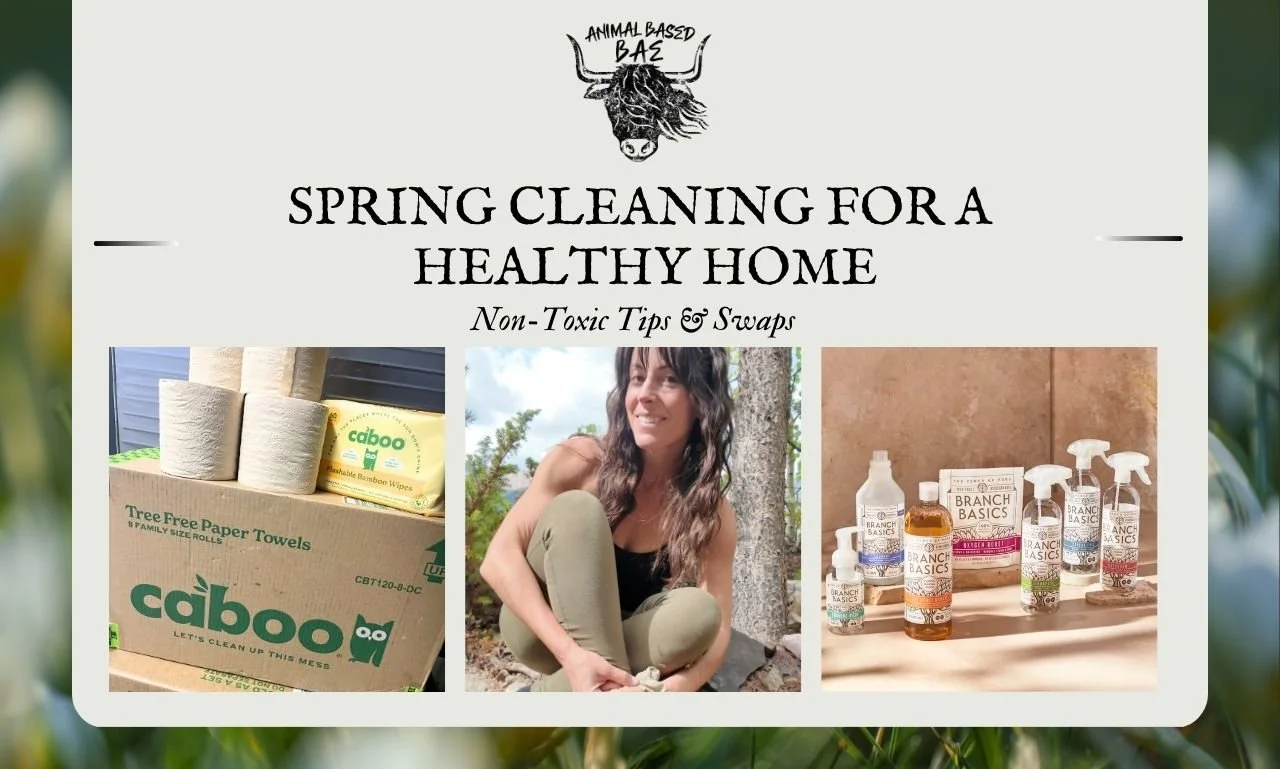
Spring Cleaning for Your Health: A Step-by-Step Guide to a Low-Tox Home
Spring cleaning isn’t just about a sparkling house…
it’s about creating a healthier home.
Most people don’t realize that we spend over 90% of our lives indoors, breathing the air, touching surfaces, and interacting with everything in our environment. Dust, synthetic fabrics, pesticides, artificial fragrances, and VOCs (volatile organic compounds) don’t just sit on your shelves — they can influence your energy, sleep, nervous system, and even your skin, hair, and gut health.
Spring is the perfect time to reset your space and your health. The good news is you don’t need to overhaul everything overnight.
Small, intentional swaps add up over time.
This guide walks you through how to declutter, clean, and upgrade your home in a simple, low-tox way.
Step 0: Build Your Non-Toxic Cleaning Kit
Before you start cleaning, make sure the products you’re using aren’t introducing more toxins into your home.
A simple natural cleaning kit goes a long way.
Essentials:
Lemon juice
Branch Basics All-Purpose Cleaner (code: BAE)
Air purifier (code: ANIMALBB)
These basics can clean nearly every surface in your home without harsh chemicals.
My Go-To Non-Toxic Cleaning Formulas
These simple formulas are what I use throughout the house.
All-purpose cleaner: Branch Basics
Glass and mirrors: Branch Basics or 1 cup water + 1 cup white vinegar
Scrubbing paste: Baking soda + a small amount of water or vinegar
Toilet cleaner: ½–1 cup hydrogen peroxide
Floor mop solution: Hot water + ½–1 cup white vinegar
Note: Avoid vinegar on natural stone like marble or granite because the acidity can damage the surface.
Step 1: Declutter First
Before deep cleaning, decluttering is one of the most impactful things you can do for your health and your home.
Less clutter means:
Less dust accumulation
Fewer toxic off gassing chemicals in your space
A calmer nervous system
Go room by room with three boxes: Keep | Donate | Trash
You don’t have to do everything at once. Take what resonates and leave the rest. Small progress is still progress.
Focus on removing:
Old cleaners, candles, and air fresheners
Synthetic fabrics that shed microplastics (throws, rugs, lamp shades)
Plastic furniture
Fake plants
Items that simply collect dust
Less clutter = less dust and fewer toxins circulating in your home.
Step 2: Clean and Upgrade Your Home Room by Room
Kitchen
The kitchen is one of the most used spaces in the home and often one of the biggest sources of plastic and toxic chemical exposure.
Start by cleaning:
Counters
Sink
Fridge
Oven
Baseboards
Walls
Fans and light fixtures
Use baking soda, vinegar, or Branch Basics for most surfaces.
For stuck-on food or grease, sprinkle baking soda, lemon and scrub gently.
For stainless steel or glass appliances, a vinegar and water spray works well.
Healthy kitchen swaps
Replace plastic cutting boards with wood
Swap plastic utensils for wood or stainless steel
Use cast iron, stainless steel, or ceramic cookware
Replace plastic wrap with reusable covers like Spaza
Swap paper towels for Caboo bamboo paper products
Store food in glass or stainless containers
You can also check out my kitchen essentials liston Amazon for more swaps.
Bathroom
Bathrooms often contain some of the harshest cleaning chemicals, but they’re also one of the easiest places to switch to natural solutions.
Clean:
Toilet
Sink
Tub and shower
Mirrors
Shower curtain and mats
Toilet cleaning
Pour ½–1 cup hydrogen peroxide into the bowl and let it sit for about 10–15 minutes before scrubbing.
For deeper stains:
Sprinkle baking soda into the bowl
Add hydrogen peroxide
Scrub and let sit before flushing
Tub and sink cleaning
Use a baking soda paste to scrub soap scum and buildup.
For mildew areas:
Spray hydrogen peroxide, let it sit for 10 minutes, and wipe clean.
Healthier bathroom swaps
Replace conventional toilet paper and tissues with Caboo bamboo products
Replace towels and washcloths with organic cotton, bamboo, or hemp
Choose fragrance-free or tallow-based soaps, shampoo, and body products. When possible, avoid products containing:
Synthetic fragrance (parfum)
Parabens
Phthalates
Formaldehyde-releasing preservatives
Sodium lauryl sulfate (SLS) and sodium laureth sulfate (SLES)
Triclosan
Artificial dyes
Opting for simpler ingredient lists and naturally derived products helps reduce unnecessary chemical exposure in your daily routine. Many conventional personal care products contain synthetic fragrances, preservatives, and detergents that can release VOCs (volatile organic compounds), irritate the skin, disrupt hormones, or trigger sensitivities. Reducing these ingredients can help support better indoor air quality, skin health, and overall wellness.
You can also check out my bathroom essentials list for more ideas.
Bedroom
Your bedroom should be one of the cleanest and simplest spaces in your home, since it directly impacts sleep, recovery, and overall health. The goal is less accumulation and fewer items that collect dust so the space feels calm, clear, and restorative.
Start with:
Keeping furniture and décor minimal — eliminate excess furniture and small trinkets that collect dust
Dusting furniture, walls, and baseboards regularly
Cleaning ceiling fans and light fixtures
Washing bedding regularly
When dusting, use a slightly damp cloth so particles are captured instead of recirculating into the air.
Healthy bedroom upgrades
Choose organic cotton, bamboo, linen, or wool bedding
Use an air purifierto support cleaner air while sleeping
You can check out my bedroom essentials listfor more recommendations.
Living Room
Living rooms tend to collect dust quickly because of fabrics, electronics, and high traffic.
Focus on:
Vacuuming rugs and upholstery
Dusting shelves and electronics
Cleaning windows and mirrors
Use Branch Basics for glass anda damp cloth for surfaces.
Healthier living room swaps
Replace decorative pillows and throws with natural fiber materials
Use proper ventilation and air purifiers to support cleaner indoor air
Closets and Storage
Closets are another hidden source of dust and synthetic fabrics.
Start by:
Dusting shelves
Vacuuming floors
Decluttering clothing you no longer wear
When upgrading clothing, focus first on what touches your skin the most:
Underwear
Workout clothing
Choose organic cotton, linen, bamboo, hemp or wool whenever possible.
Some of my favorite brands include Allwear(code: BAE20), Woolly(code: BAE), and NADS(code: BAE15) You can also check out my Amazon list for additional options.
Office or Workspace
Your workspace should support focus and breathing.
Clean by:
Wiping down your desk and keyboard
Dusting electronics
Decluttering paperwork and supplies.
If possible, avoid keeping paper shredders in your office. Shredding paper can release fine dust particles into the air, which isn’t ideal for breathing in a space where you spend long periods of time. It’s better to shred documents outdoors or dispose of them securely another way.
Use a gentle cleaner like Branch Basics for most surfaces.
Running an air purifier near your workspace can improve air quality and concentration.
Step 3: Improve Your Indoor Air Quality
Indoor air quality has a major impact on overall health.
Simple steps include:
Opening windows for fresh air circulation
Cleaning vents and replacing HVAC filters regularly
Running air purifiers in high-traffic areas
Instead of synthetic air fresheners, try natural options like:
Bowls of baking soda to absorb odors
Simmering lemon slices, herbs, or cinnamon on the stove
Step 4: Maintain Your Healthier Home
Spring cleaning is just the starting point for creating a healthier, low-tox home. Think of it as laying the foundation for bigger changes over time. You don’t need to do everything perfectly in one go.
Revisit your home every few months to:
Continue swapping out high-toxicity products for safer alternatives
Upgrade textiles, bedding, and clothing to natural fibers
Replace synthetic décor or furniture with sustainable options
Evaluate air quality and add purifiers where needed
Small, consistent upgrades over time compound into major improvements in indoor air quality, wellbeing, and overall comfort. Remember: consistency matters more than perfection, and even gradual changes create a home that truly supports your health.
Step 5: Optional Upgrades
If you want to take your home environment even further, consider these upgrades:
Swap fluorescent bulbs for warm lighting during the day, though personally, I rarely turn on overhead lights at all.
Reduce blue light exposure at night, which can be a powerful tool for supporting your nervous system, circadian rhythm, sleep quality, and melatonin release. For me, this has been one of my favorite home upgrades. When the sun sets, I use red lights (code: BAE15) to create a calming nighttime atmosphere.
Use beeswax or soy candles instead of synthetic candles for ambiance without harsh chemical fragrances.
These small adjustments can make a noticeable difference in how your home supports relaxation, rest, and overall wellness.
Why a Low-Tox Home Matters
Your home is more than a place to live…it’s your health sanctuary.
Reducing toxins in your environment can help:
Lower exposure to VOCs, pesticides, and microplastics
Support hormone balance and nervous system health
Improve sleep, energy, and focus
Support healthier skin, hair, and overall vitality
You don’t need perfection. Start with one room or even just your most-used items, and build from there.
Over time, those small changes can make a meaningful difference in how you feel in your home every day.